
Welcome to the
Digital Health Innovation in Ageing and Neurodegeneration
DIAN Research Group
at Newcastle University
Formerly the Brain and Movement (BAM) Research Group

About our name change
From BAM to DIAN
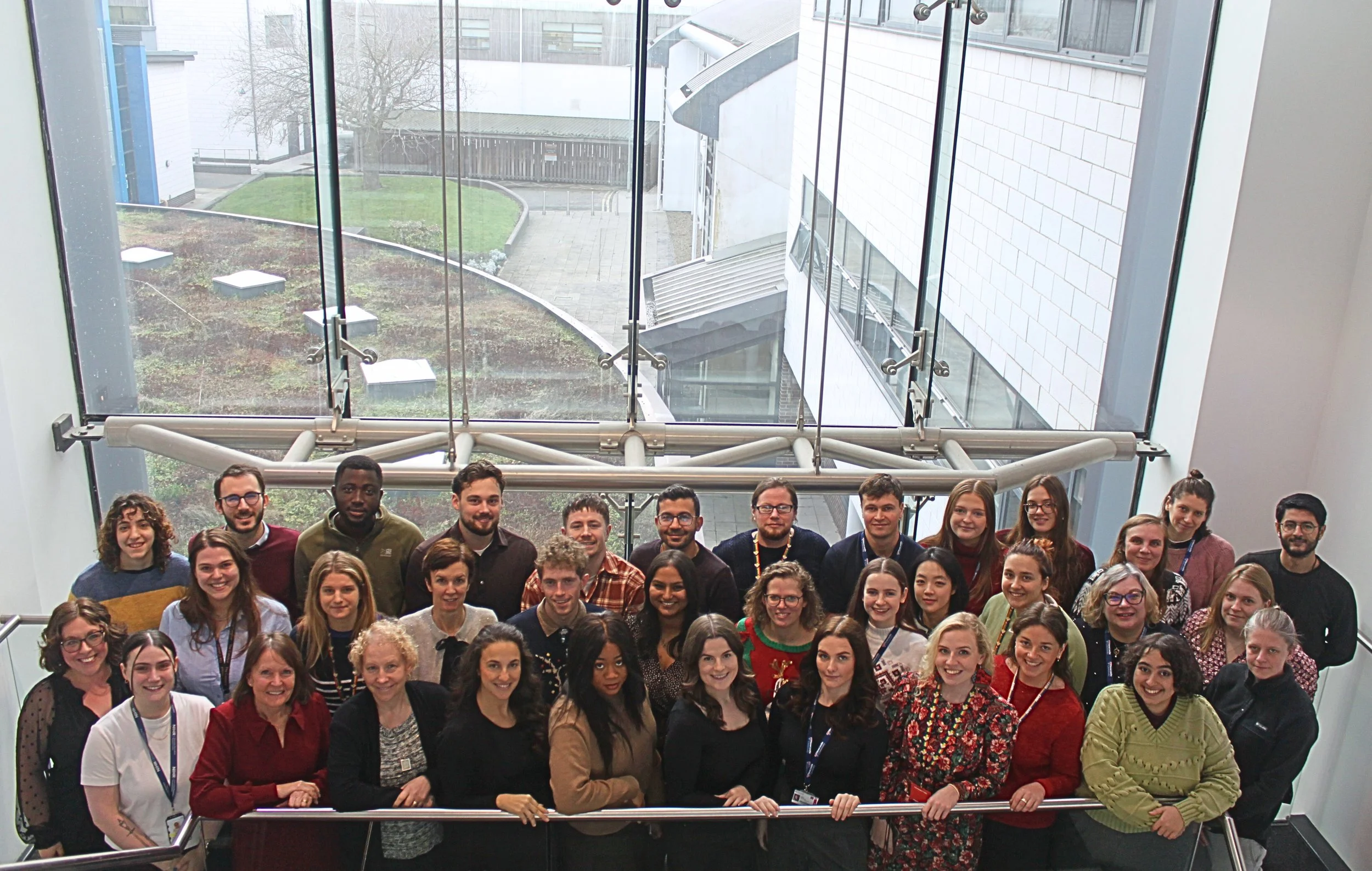
The Brain and Movement Research Group (BAM) was founded in 2008 by Professor Lynn Rochester to establish a programme of gait and mobility related research that would deliver benefits in the understanding, treatment and measurement of mobility in neurodegenerative conditions and ageing.
Much has changed in the group since its inception! While the vision and broad aims of the group remain similar – the breadth of work and expanding leadership team have changed significantly to reflect new challenges and broader translational opportunities.
The time is right, therefore, to reflect this exciting new landscape and set us up for the next ten years - with the aim of enhancing visibility and impact of the diverse portfolio of work undertaken by the leadership team.
We are therefore marking this change with a new name and website – please link to us and follow us as we begin this next chapter.
And so, please welcome the Digital Health Innovation in Ageing and Neurodegeneration (DIAN) Research Group.
Our Vision
Our vision is to create a translational ecosystem that advances the discovery, development and implementation of digital health biomarkers across functional domains such as mobility, sleep, fatigue and sedentary behaviour. We bring together multidisciplinary teams and diverse stakeholders to accelerate therapeutic innovation, inform high-quality clinical trials, and shape the future of clinical decision-making. Anchored in patient voice, we champion digital health modalities that deliver meaningful impact across ageing, neurodegeneration and long-term conditions.
Research Group Leads
-

Prof Lynn Rochester
Lynn leads the DIAN (Digital Health Innovation in Ageing and Neurodegeneration) Group
-

Prof Alison Yarnall
Alison leads the Mobility and Ageing: Outcomes, Trials, InnoVation in Parkinson’s Disease & Dementia (MOTIV-PD) Team
-

Prof Camille Carroll
Camille leads the Innovation for iMprovement in PArkinson's Care and Trials (IMPACT) Team
-
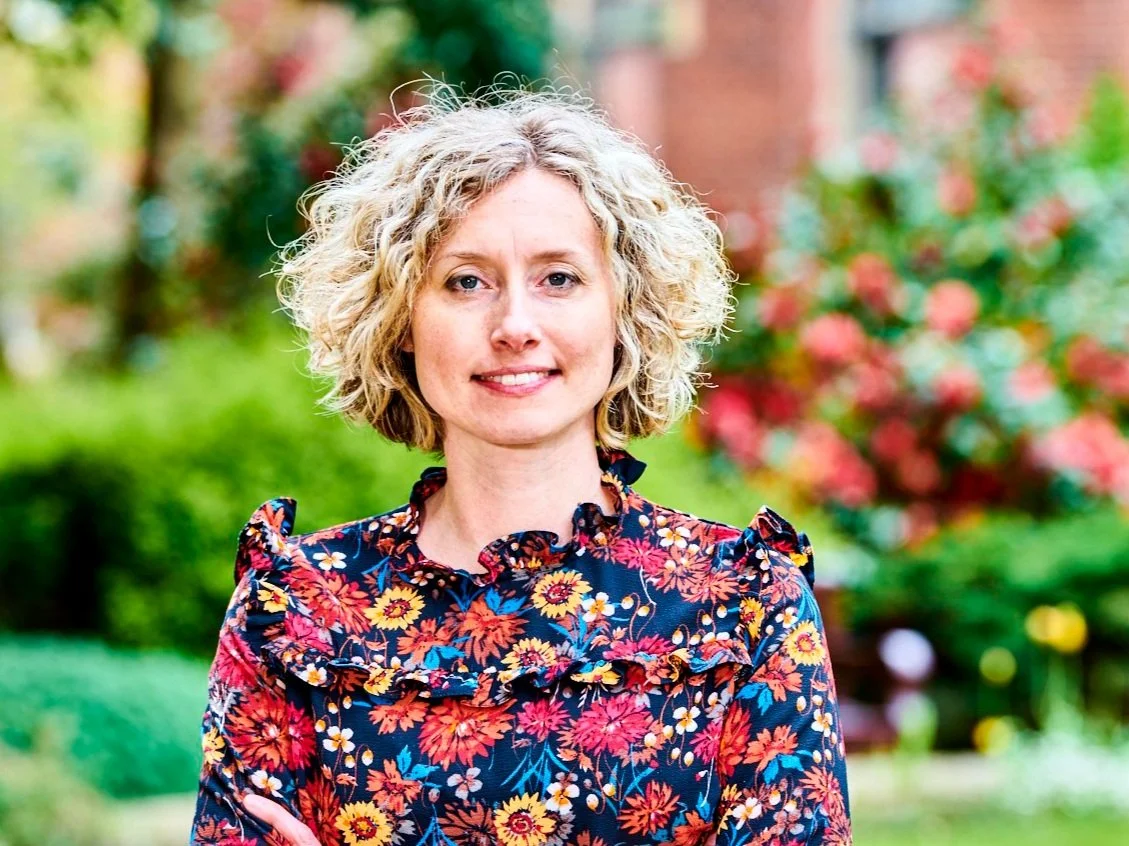
Dr Silvia Del Din
Silvia leads the Digital Healthcare Applications for Translational Advancement (DATA) Team
-

Dr Rachael Lawson
Rachael leads the Delirium and Translational Research in Neurodegeneration (DELTA) Team
-
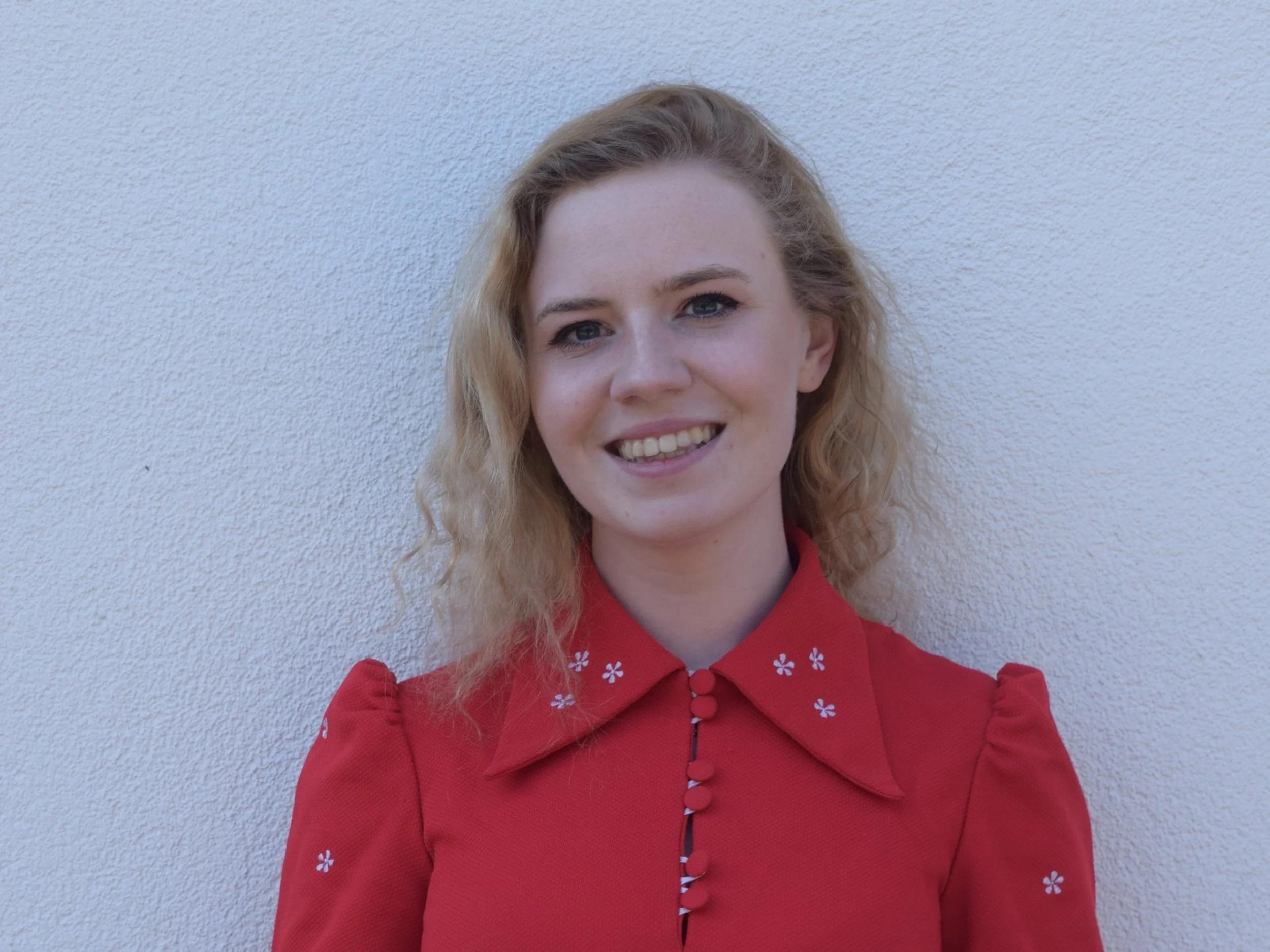
Dr Ríona Mc Ardle
Ríona leads the Optimising Research for Inclusion and Equity in Later Life Mobility (ORIEL) Team
-

Dr Lizeth Sloot
Lizeth leads leads the Foot and Balance (FAB) Team
-
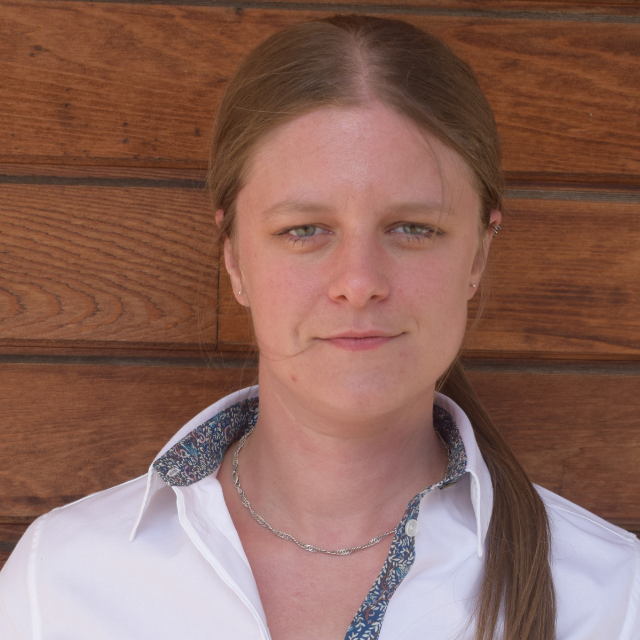
Dr Lisa Alcock
Lisa leads the Mobility Observation, Translation and Innovation in Neurodegeneration (MOTION) Team
Infrastructure

We deliver clinical and translational research supported by key infrastructure, including the NIHR Newcastle Biomedical Research Centre and our bespoke Gait Lab at the Clinical Ageing Research Unit (CARU).
Click on the button below to find out more:
Patient and Public Involvement and Engagement (PPIE)

The overarching aim of our research is to support the wellbeing and function of patients, carers and the public through novel insights into the mechanisms, measurement and interventions used to support mobility. We are passionate about integrating the voice of people affected by chronic health conditions into the design, implementation and dissemination of our research.
We link to many PPIE and research interest groups including the Parkinson’s North East and Cumbria Research Interest Group (NEC-RIG) led by Dr Rachael Lawson.
Inclusivity in research

In our research we support inclusion, involvement and participation of patients, carers and the public to reduce barriers that prevent the most underserved groups from taking part in research. We aim to accomplish this by following the National Institute for Health and Care Research (NIHR) INCLUDE guidelines, led by Professor Lynn Rochester, on improving inclusion of under-served groups in clinical research.
Equality, diversity and inclusion

The BAM Research Group is committed to the principles of equality, diversity and inclusion (EDI). We strive to create an environment that provides the freedom for all colleagues to achieve their full potential, regardless of rank, socioeconomic background, age, disability, sex, religion, belief, race, ethnicity, culture and sexual orientation.
Find out more EDI at Newcastle University by clicking the button below: