
DMS Atypical
Characterising Digital Mobility Signatures of Atypical Dementia
Principal Investigators: Dr Keir Yong, UCL
BAM Co-applicants: Dr Ríona Mc Ardle, Dr Silvia Del Din
BAM project members: Dr Cameron Kirk
Our study aims to:

Our Methods

Laboratory and real-world digital mobility outcomes will be compared with existing participants with typical Alzheimer’s Dementia, Lewy body dementia and control participants from the GaitDem studyThe study results should support future large-scale investigations to establish valid and scalable technology to monitor mobility to improve differential diagnosis of dementia, monitor disease progression and evaluate interventions to support independence and wellbeingImpact
Funder: Alzheimer’s Research UK (ARUK)
Collaborators: Dr Matt Bancroft, Assistant Professor Diego Kaski, Professor Johnathon Rohrer


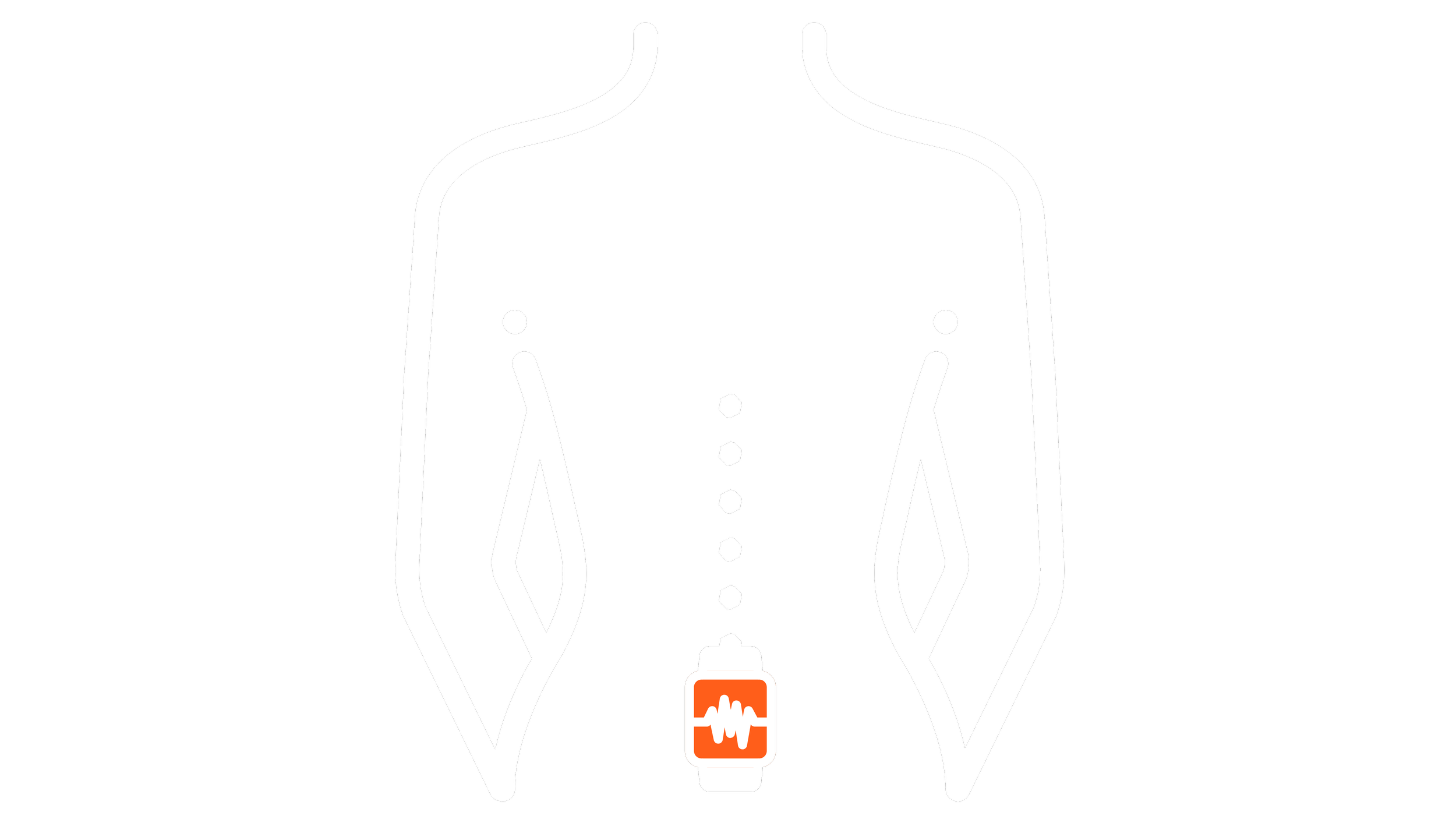
Explore movement patterns (digital mobility signatures) to differentiate people with atypical dementias from more common dementia (typical, memory-led Alzheimer’s disease and Lewy body dementias) Characterise digital mobility outcomes in participants with atypical dementias (Posterior Cortical Atrophy and Frontotemporal dementia) with wearable devices in the lab and real worldEngage and share findings with people with dementia, carers and healthcare providers to improve their understanding of problems with mobility in dementia and implications for diagnosis and managementDigitally assess laboratory and real-world mobility with a wearable device worn on the lower-back for seven consecutive daysRecruit 15 people with posterior cortical atrophy and 15 people with frontotemporal dementia