
HeiMOVE
Understanding decline in motion and balance with ageing & frailty
Principal Investigator: Dr. Lizeth Sloot
Funder: Carl Zeiss Foundation (Germany). Part of: HEIAGE project; PI: Katja Mombaur, KIT), NUAcT fellowship (Newcastle University)
Collaborating institutions: University of Stuttgart (M Millard), University of Antwerp (T van Criekinge), Heidelberg University (C Werner), Karlsruhe Institute of Technology (T Gerhardy, K Mombaur)
Our study aims to:

Develop and use more accurate measures of balanceUnderstand the relation between motion and balance decline with ageing and frailtyOur Methods

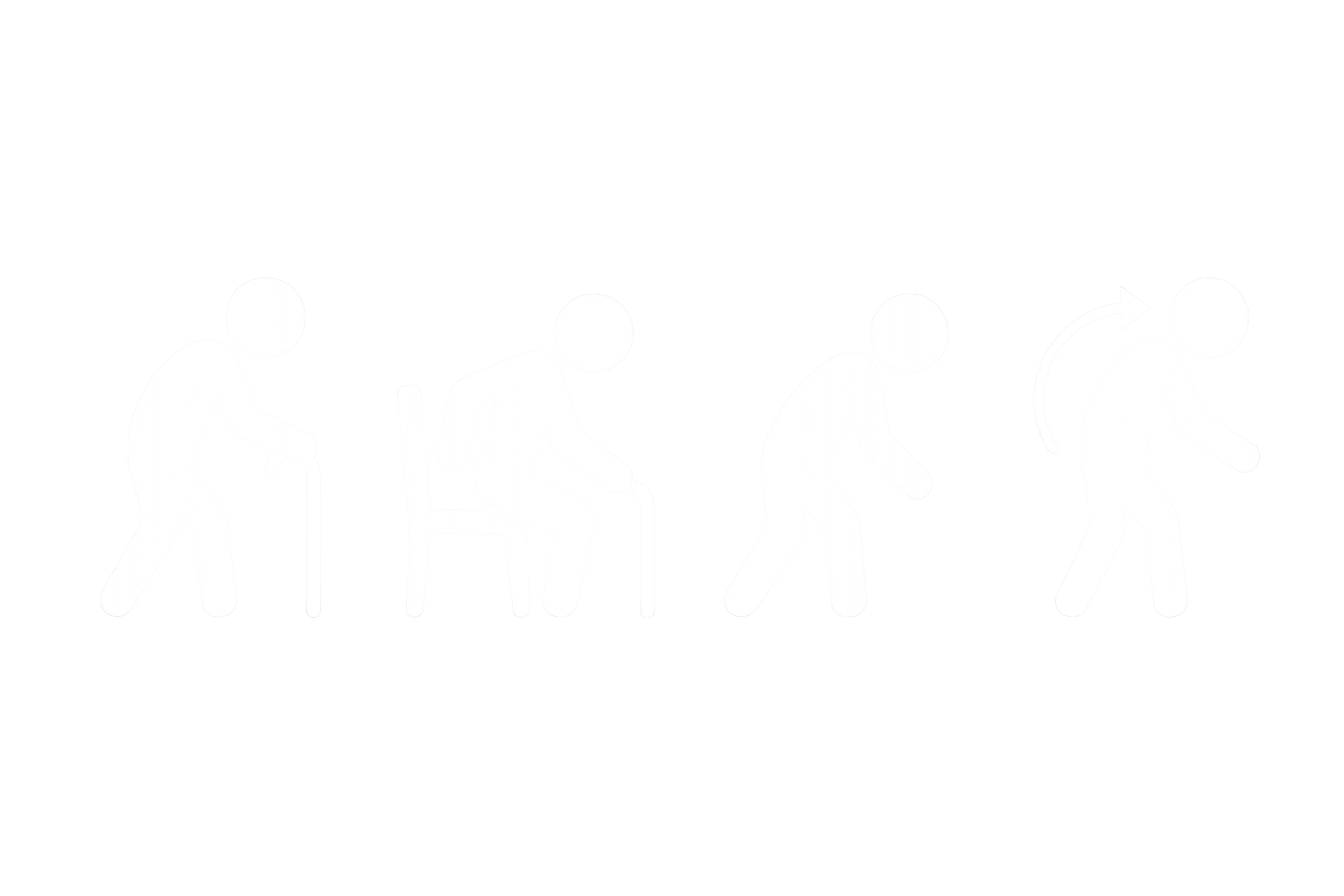
Go beyond the standard gait analysis and examine different daily movements: walking, standing up, sitting down, turning, Figure 8, TUGCollected motion and foot-force data in a large cohort of people across the lifespan
Developed dynamic balance analysis for standing up and sitting down movements Impact


Published a large dataset of walking in 138 people across the lifespan; dataset across movements is in preparationShown that decline in walking force appeared before changes in leg motion (paper)Decline in balance and motion strategies with ageing and frailty across movements is currently under investigationShown that trunk movement declines from 60 years, and earlier in females (paper)